

Commercial CCTV systems are only as effective as the people who use them. While modern surveillance technology offers advanced features like remote access, motion detection, and heat-based tracking, your team still plays a vital role in ensuring your site remains secure and compliant.
Training staff on how to properly operate your CCTV system helps reduce human error, maximises the technology’s potential, and ensures that your investment in security pays off long term.
In this guide, we’ll explore why CCTV training matters, what should be included in a staff training plan, and how to maintain high standards over time.
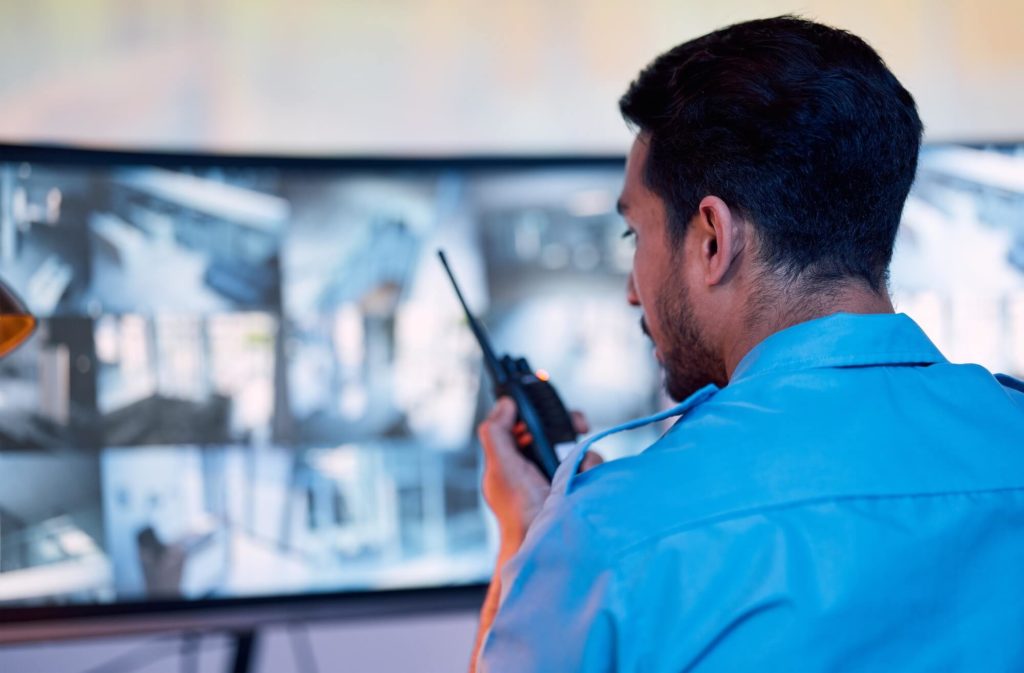
Why Training Staff on CCTV Systems Matters
Installing a commercial CCTV system is a smart move for any business, but if your team doesn’t know how to use it, you’re not getting the full benefit.
Here’s why proper CCTV training is essential:
- Reduces false alarms and missed incidents – Proper use of motion alerts, playback features, and live feeds ensures that genuine threats are detected and investigated.
- Ensures compliance with data protection laws – Staff need to understand how to handle footage responsibly, especially under UK GDPR rules.
- Speeds up incident response – Trained employees can quickly access footage to verify events or provide evidence.
- Boosts workplace safety – Understanding how to monitor high-risk areas improves staff safety and health compliance.
- Improves ROI on your security system – More effective use of your technology extends its usefulness and helps avoid unnecessary upgrades.
Whether you run a factory, retail outlet, school, or warehouse, investing time in CCTV training is critical.
Who Needs CCTV Training?
Not every employee needs full access to your CCTV system, but several roles do require a strong working knowledge:
- Security staff – First line of response, responsible for live monitoring and incident response.
- Managers and supervisors – Often need access for investigations, audits, or operational reviews.
- Health and safety officers – Use CCTV to assess risk and monitor compliance.
- IT teams – May manage integrations and data security for cloud-based systems.
- Reception staff or lone workers – Might need basic knowledge to respond to live feeds or alerts.
Training should be tailored to each role’s level of access and responsibility.
What Should CCTV Training Include?
A strong CCTV training programme should be practical, relevant, and easy to follow. Below is a breakdown of what you should include:
1. System Overview
Start with a walkthrough of the CCTV system and components:
- Types of cameras (fixed, PTZ, thermal, etc.)
- Where each camera is located
- Recorder or NVR setup
- Access methods (on-site, cloud, mobile app)
2. Access & Permissions
Clarify who has access to live footage, recorded footage, or system settings. Teach staff how to:
- Log in to the system securely
- Use multi-factor authentication if required
- Understand permission levels
3. Live Monitoring Techniques
Show team members how to monitor effectively:
- Switching between camera views
- Using zoom, tilt, or pan functions
- Identifying suspicious behaviour in real time
- Minimising distractions during monitoring shifts
4. Playback and Footage Review
Teach how to:
- Search by date, time, or motion event
- Save and export relevant footage securely
- Add time stamps and basic edits if needed for evidence
5. Alert Handling
If your system includes motion alerts or analytics (e.g. AcuSense, smart motion detection), make sure staff know:
- How to set up or review alert zones
- How to tell false alarms from real threats
- How to escalate or report incidents
6. Compliance and Data Protection
This is essential for GDPR compliance. Train your team on:
- How long footage is retained
- Who can access or share footage
- How to respond to a data access request
- The importance of not recording audio unless clearly signposted and compliant
7. Maintenance and Troubleshooting
Basic technical understanding helps avoid downtime:
- How to check if cameras are online
- What to do if the footage won’t load
- When to contact your CCTV provider for help
Tips for Delivering CCTV Training
Training staff on how to use your CCTV system effectively helps ensure the technology delivers its full value. Well-trained employees can respond faster to incidents, use the system more confidently, and avoid common operational mistakes.
To make CCTV training more effective, consider the following approaches:
- Use real-life scenarios – Walk staff through examples of incidents that have occurred or could realistically happen at your site. This helps them understand how the system is used in real situations.
- Keep it interactive – Allow staff to use the CCTV software themselves during training sessions. Hands-on experience helps build confidence and improves understanding.
- Provide simple guides – Offer clear written instructions, quick-reference sheets, or PDFs that staff can return to if they forget how to perform certain tasks.
- Offer refresher sessions – CCTV training should not be a one-off event. Regular refreshers ensure staff remain confident using the system and stay updated on best practices.
- Tailor the training to the site – Use your actual CCTV layout, cameras, and footage during training so staff understand the system in the context of their own workplace.
Common Mistakes to Avoid
Even with a good system in place, certain oversights can reduce the effectiveness of CCTV if staff are not properly trained or processes are not maintained.
Some of the most common mistakes include:
- Not reviewing permissions regularly – Access levels should be reviewed periodically, especially when staff roles change or employees leave the business.
- Relying on one person – If only one staff member understands how the CCTV system works, your business becomes vulnerable when that person is unavailable.
- Failing to train new starters – CCTV training should form part of the onboarding process so new employees understand the system from the beginning.
- Ignoring system updates – If your CCTV system is upgraded or new features are added, training should be updated accordingly.
- Lack of audit trails – Businesses should keep records showing who accessed footage and when. This helps maintain accountability and ensures proper use of the system.
Integrating CCTV into Your Security Policy
Training your team is part of building a wider security culture. Your business should have a clear policy on:
- CCTV usage and access
- Incident reporting
- Data protection responsibilities
- Regular audits and reviews
Make sure this policy is shared and signed by all relevant team members.
How Active CCTV Supports Staff Training
We don’t just install your cameras and walk away. As part of our tailored installation packages, we offer:
- On-site staff training sessions during installation
- Ongoing support and refresher sessions on request
- Training that covers Hikvision camera systems
Whether you’re installing CCTV in a school, factory, storage facility or office building, we’ll ensure your team feels confident and competent using your system.
Need help training your staff on your CCTV system?
At Active CCTV, we provide training with every commercial CCTV installation and ongoing support tailored to your team. Call 01492 547997 or email info@active-cctv.co.uk to book your free site survey.